Cancelled My Elliptical Subscription for a Month — Here's What Locked Up
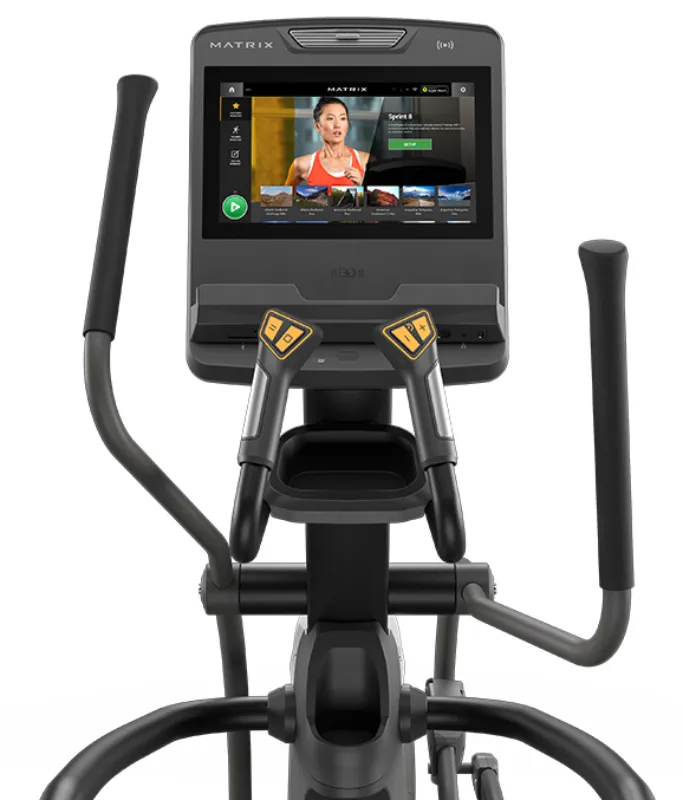
Photo: elliptical machine touchscreen display home gym, via progymsupply.com
The sales pitch sounds great in the showroom. A 22-inch HD touchscreen, live classes from Scottsdale studios, trainer-led hikes through the Alps, leaderboards, the works. What the salesperson mentions less enthusiastically is the small line at the bottom: subscription required after 30 days.
So we did the thing most shoppers never get to do before purchase. We paid for three subscription-dependent ellipticals, then cancelled. For 30 days, we used each machine exactly as a non-paying owner would and kept a running list of what worked, what didn't, and what felt like a bait-and-switch.
Day One Without the App: The Bricked Boot Screen
The most expensive machine in our test — a $1,999 front-drive model with all the bells — was the one that felt most hostile after cancellation. Boot it up and you're greeted by a full-screen upsell to resubscribe, with a dimly-lit "manual mode" button tucked in the corner. Tap it and you get resistance adjustments and a basic timer. That's it. No speed readout history, no saved profiles, no screen mirroring. The gorgeous display becomes a billboard for the product you already own.
A mid-range rear-drive model handled it better. Its manual mode kept cadence, resistance, time, and estimated calories visible, and the touchscreen still worked as a Bluetooth display for third-party apps like Zwift or the iFit alternatives. If you're the type who brings your own tablet to workouts anyway, this machine barely noticed the cancellation.
The budget pick, a $799 model sold at big-box stores, was the surprise. Its "smart features" were always thin — a handful of onboard programs and a small screen — so cancelling the optional $9.99/month tier changed almost nothing. In a weird way, its honesty was refreshing.
What Typically Stays Free (and What Gets Fenced Off)
Across the machines we tested, a pattern emerged:
Usually still free: manual mode, resistance and incline controls, basic time/distance/pace readouts, heart rate display from grip sensors, and Bluetooth pairing to third-party apps.
Usually locked behind the paywall: on-demand and live classes, auto-adjusting workouts where the trainer controls your resistance, scenic routes, leaderboards, saved workout history beyond a week, and custom user profiles beyond one.
The sneaky middle ground: some brands let the hardware degrade too. One machine's auto-resume feature — where the pedals remember your last resistance — required an account login, which required the app, which required a subscription in practice.
The Math Most Shoppers Never Run
Here's the part that stings. A $14.99/month subscription is $179.88 a year. Over a typical five-year ownership window, that's roughly $900 — often more than half the price of the machine itself. We've started calling this the "true cost of ownership" and it should be on the price tag.
Run the numbers on a mid-tier smart elliptical versus a "dumb" commercial-grade model at the same total five-year spend, and the dumb machine usually wins on build quality. You're trading heavier steel, a longer warranty, and a smoother stride for a library of classes you may watch for six weeks and then ignore. Our own reader survey data keeps showing the same thing: most people fall into a manual-mode routine within two months, subscription or not.
How to Spot a Subscription-First Machine Before You Buy
You don't need to get burned to learn this. Watch for these tells:
- The screen is the product. If marketing photos feature the display more than the frame, stride length, or flywheel, the software is the business model.
- "Free trial" language on the spec sheet. Genuine hardware features don't come with trial periods.
- Offline mode buried in the FAQ. If you have to dig to learn what works without Wi-Fi, assume the answer is "almost nothing."
- No third-party app support. Machines that pair with Zwift or Peloton's app give you an escape hatch. Machines that don't are building a fence around you.
- The return window is shorter than the trial. If the app trial is 30 days but returns are 14, you'll be paying before you can back out.
Our Honest Take
There's nothing wrong with loving classes. If a trainer yelling encouragement is what gets you on the machine at 6 a.m., the subscription might be worth every penny — that's cheaper than most gym memberships in the US.
The problem is buying a $1,500 machine and only learning later that you rent part of it. Before you click buy, ask one question: "What does this do with the Wi-Fi unplugged?" If the answer involves a shrug, walk away — or price the subscription into your budget from day one and decide if you're okay with it. Your future self, staring at a resubscribe screen in month seven, will thank you.